 By Hayes Hunt and Michael Zabel
By now, the concept of Upjohn warnings should be familiar to any counsel, whether in-house or external, who represents a corporation’s interests in an internal investigation. In a nutshell, an Upjohn warning is derived from the Supreme Court decision in Upjohn v. United States, 449 U.S. 383 (1981), and is a mechanism for establishing corporate privilege by which corporate counsel explains to the corporation’s officers and employees that when the individual officer or employee provides a statement to corporate counsel in the course of an internal corporate investigation, it is the corporation — and not the individual — that holds the attorney-client privilege for that statement.
A pair of significant cases in 2012 demonstrated just how important proper documentation of an Upjohn warning can be for establishing a privilege claim.
The first case is In re Google, 462 F. App’x 975 (Fed. Cir. 2012). You probably read about the legal battle pitched last year between technology giants Google and Oracle. In February 2012, several months before a jury found that Google did not infringe on two of Oracle’s patents, the U.S. Court of Appeals for the Federal Circuit ruled that an internal email by a Google engineer was not protected under Upjohn because nothing indicated that the engineer had prepared the email “in anticipation of litigation or to further the provision of legal advice.”
Google had argued that the engineer’s email was made at the request of in-house counsel for the purpose of investigating Oracle’s infringement allegations. In support, Google offered a declaration from its counsel that the email was prepared at his request. The Federal Circuit rejected Google’s argument, observing that the content of the email itself suggested that the engineer’s email was a response to a request from Google management relating to Google’s pursuit of a license for Oracle’s patents — and not a response to a request from counsel for assistance in the infringement suit.
 The second case is Custom Designs & Manufacturing v. Sherwin-Williams, 39 A.3d 372, 374 (Pa. Super. Ct. 2012). Just as in the Google case, the court in this case rejected a corporation’s privilege claim under Upjohn because the record did not indicate that the disputed communication was prepared at the request of counsel. In Custom Designs, the plaintiff was a cabinet company whose building caught fire and was significantly damaged. The day after the fire, a Sherwin-Williams employee visited the site of the fire and shortly thereafter prepared two memoranda addressed to Sherwin-Williams’ in-house counsel. The cabinet company later sued Sherwin-Williams, alleging that Sherwin-Williams’ products had caused the fire. In discovery, Sherwin-Williams claimed privilege with regard to its employee’s two memoranda to its counsel.
The Pennsylvania Supreme Court has adopted the protections of Upjohn, and the Superior Court analyzed Sherwin-Williams’ privilege claim in the case accordingly. The court noted that the employee’s memoranda did not become nondiscoverable “solely by virtue of [their] having been communicated to counsel.” The court noted that the employee had visited the site of the fire on his own initiative to aid a major client, and had testified that he didn’t know whether he had prepared the memoranda on his own or had been directed to by counsel. The court further found that Sherwin-Williams had produced no evidence that its counsel had requested the memoranda or that counsel was actively conducting an investigation at the time. Under those facts, Sherwin-Williams could not meet its burden to establish privilege under Upjohn.
Both the Google case and Custom Designs remind us that a corporation claiming privilege under Upjohn will need to be able to support its privilege claim with evidence that the material in question was prepared at its counsel’s request. As these recent cases demonstrate, courts do not grant Upjohn protection lightly. Corporate counsel conducting internal investigations in 2013 should document their efforts accordingly.
Published in The Legal Intelligencer on January 23, 2013.
 Aaron Swartz, 26 year-old co-founder of Reddit and long-time activist against the Stop Online Piracy Act (SOPA), committed suicide. Mr. Swartz killed himself weeks before his trial for charges related to his access to MIT’s computer network and downloading thousands of academic articles from MIT’s JSTOR system. Swartz faced up to 20 years in prison for charges of computer fraud, wire fraud, and unlawfully obtaining information from a protected computer. Swartz was convinced he should not be imprisoned for his actions as part of any negotiated plea agreement. The prosecution insisted on jail time as part of any sentencing recommendation to the Court. MIT and JSTOR did not file any civil actions against Swartz and it is unclear how interested either was in criminal charges.
 Prosecutors, on the one hand, have a duty to protect the community against crime. A prosecutor’s duties are laid out in
  By Hayes Hunt and Michael Zabel
 Before both the district and appellate courts, ABC Corp. was faced with a difficult situation. Because the grand jury investigation was ongoing and much of the government’s information was necessarily submitted ex parte, ABC Corp. was forced to argue against the applicability of the crime-fraud exception without knowing what evidence the government was relying on. Indeed, the Third Circuit ultimately affirmed the district court’s order and its findings that a reasonable basis in the evidence existed to support the crime-fraud exception, but in its opinion, the appellate court provided scant detail of the government’s actual evidence. Grand Jury’s adoption of the “reasonable basis” standard therefore remains, to a large degree, an abstract piece of guidance on the crime-fraud exception.
 Grand Jury is a significant development in Third Circuit law regarding the crime-fraud exception to attorney-client and work-product privilege. To invoke the crime-fraud exception, a party must offer evidence providing “a reasonable basis to suspect” that the elements of the crime-fraud exception have occurred. Grand Jury also confirms that even communications from an innocent and unaware in-house counsel may be subject to disclosure under the crime-fraud exception. Whether the crime-fraud exception can defeat that same unknowing attorney’s assertion of work-product privilege, however, is a question that the Third Circuit has left for another day.
 Almost all of us rely on technology to carry out our day-to-day activities. We carry one, if not two devices such as a smart phone or tablet with us at all times. Courts continue to struggle to figure out how our use of these devices fit within notions of privacy and the 4th Amendment.
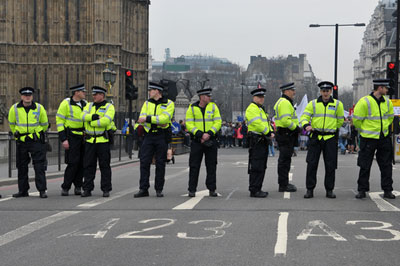 , police blockaded approximately twenty cars at gunpoint, searching each car until the missing money was discovered in the suspect’s vehicle and the suspect was arrested. The suspect’s attorney argued that the evidence seized from his client’s vehicle was inadmissible because the roadblock was unconstitutional. The District Court for the District of Colorado disagreed. Judge William J. Martinez held that the evidence was, in fact, admissible. Noting that he was troubled by the invasive tactics used by police, he determined that the detention of the other motorists in the intersection was justified, given that a potentially dangerous criminal was on the run.
  conduct a search of the motor home, where they found incriminating drug evidence. The suspect was later convicted on drug charges. The Sixth Circuit upheld the conviction, holding that there was no constitutional violation of the defendant’s rights because he had no reasonable expectation of privacy in the data obtained from his cell phone. The court distinguished their decision from the Supreme Court’s decision in Jones on the grounds that the search did not involve a physical trespass on the subject’s private property. Thus, a warrant was not necessary, regardless of the period of time of the monitoring.
  By Hayes Hunt and Thomas M. O’Rourke
 take reasonable steps to rescue them, which under French law, includes calling for medical assistance. Jennifer L. Groninger, No Duty to Rescue: Can Americans Really Leave a Victim Lying in the Street? What Is Left of the American Rule, and Will It Survive Unabated?, 26 Pepp. L. Rev. 353, 353-54 (1999).
 evidence that the “rescue” statutes in Minnesota, Rhode Island and Vermont had any impact on the number of rescues or non-rescues in those states.
 In 2010, the Federal Rules of Civil Procedure were amended to address certain problems with prior expert discovery rules which were interpreted to allow discovery of virtually all communications between attorneys and their retained experts. To combat rising discovery costs and ensure that attorneys and experts could speak candidly, the Federal Rules struck a compromise. Rule 26(b)(4)(C) was added to extend work product protection to communications between attorneys and their retained experts, except to the extent the communications: (i) relate to the expert’s “compensation[;]” (ii) identify “facts or data” the expert considered; and (iii) identify “assumptions” that the expert relied upon in forming the opinion at issue. Outside of these exceptions, attorney-expert communications are generally off limits.
  etween Plaintiffs’ counsel and the expert that involved “discussion of the factual background of the case and the circumstances under which the plaintiff suffered injury.” The court held that, despite the need to protect work product, “where an expert is being called to advance a plaintiff’s case in chief and the nature of the expert’s testimony may have been materially impacted by correspondence with counsel, such correspondence is discoverable.”

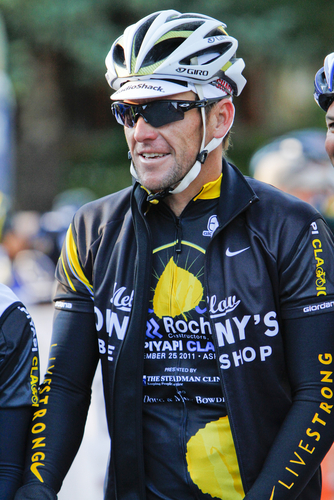 On November 5th in Edenbridge, U.K., a 30-foot tall model of Lance Armstrong* was burned to celebrate Guy Fawkes’ failed plot to blow up the Parliament. The giant Armstrong likeness held a Tour de France cup in one hand and a sign in the other which read “For sale, racing bike, no longer required.” Prior to this bonfire, a host of corporations paid Armstrong millions of dollars for an image not an effigy. Those sponsors have now dropped Armstrong since a USADA investigation – which ultimately led to a lifetime ban – concluded that the cyclist took performance-enhancing drugs during his run of seven consecutive first place finishes in the Tour de France. The endorsement deals that paid Armstrong an estimated $15 – $20 million in 2012 will pay him nearly zero in 2013. Yet, Armstrong is likely to retain the earnings he has already made under those endorsement deals. By thinking through how a particular celebrity’s image serves the needs of the company, companies contemplating endorsement deals can avoid the fate of the companies that put stock in Armstrong and possibly even recover funds should their celebrity endorser similarly breach the endorsement deal.
 odds. Using performance-enhancing drugs is the polar opposite of those ideas and his purchased reputation. Furthermore, if the allegations are true, Armstrong was aware of his doping at the time he signed his endorsement deals. Therefore, in a sense, Armstrong induced these companies to buy in to a concept of himself that he knew was false. Nonetheless, it is unlikely that any endorsement contract was explicitly based upon the ideals Armstrong’s public image conveyed. In addition, the litigation involved would certainly be expensive, and companies normally are hesitant to expose the exact terms of their endorsement deals through public exposure in the courts. As a result, the companies involved are unlikely to undertake litigation against Armstrong for fraudulent inducement.
  them an “easy out,” they can actually lead to additional litigation. For example, Pittsburgh Steelers running back Rashard Mendenhall recently sued Hansebrands, Inc. after the clothing company terminated its contract with Mendenhall over controversial comments he made on Twitter. Mendenhall argued that the morals clause was subject to the implied covenant of good faith and fair dealing, and therefore, his termination was proper only if his comments actually brought him into public disrepute and not just because the company disagreed with those comments. Similar cases essentially turn whether termination was proper into an intense factual inquiry that can cost a company dearly in litigation expenses.
 According to the allegations, Armstrong had been doping – and knew he had been doping – nearly the entire time during his rise to fame. He would be a fool to sign an endorsement contract that would require him to pay back substantial sums of money should those facts ever come to light. Furthermore, as a premier athlete, Armstrong would have the bargaining power simply to walk away. This bargaining power would have given him substantial leverage in dictating the terms of the deal. You can imagine an over exuberant Chief of Marketing wanting to attach the company’s brand to a premier athlete known worldwide. There are very few athletes, like Armstrong, who have universal marketing appeal. Therefore, it is doubtful that any company ever would have strong-armed him into a deal with a no cheating provision, let alone one with a no cheating provision and a claw back provision.
 You grew up in Chicago, what was on the table at a Garces’ fa
 mily dinner?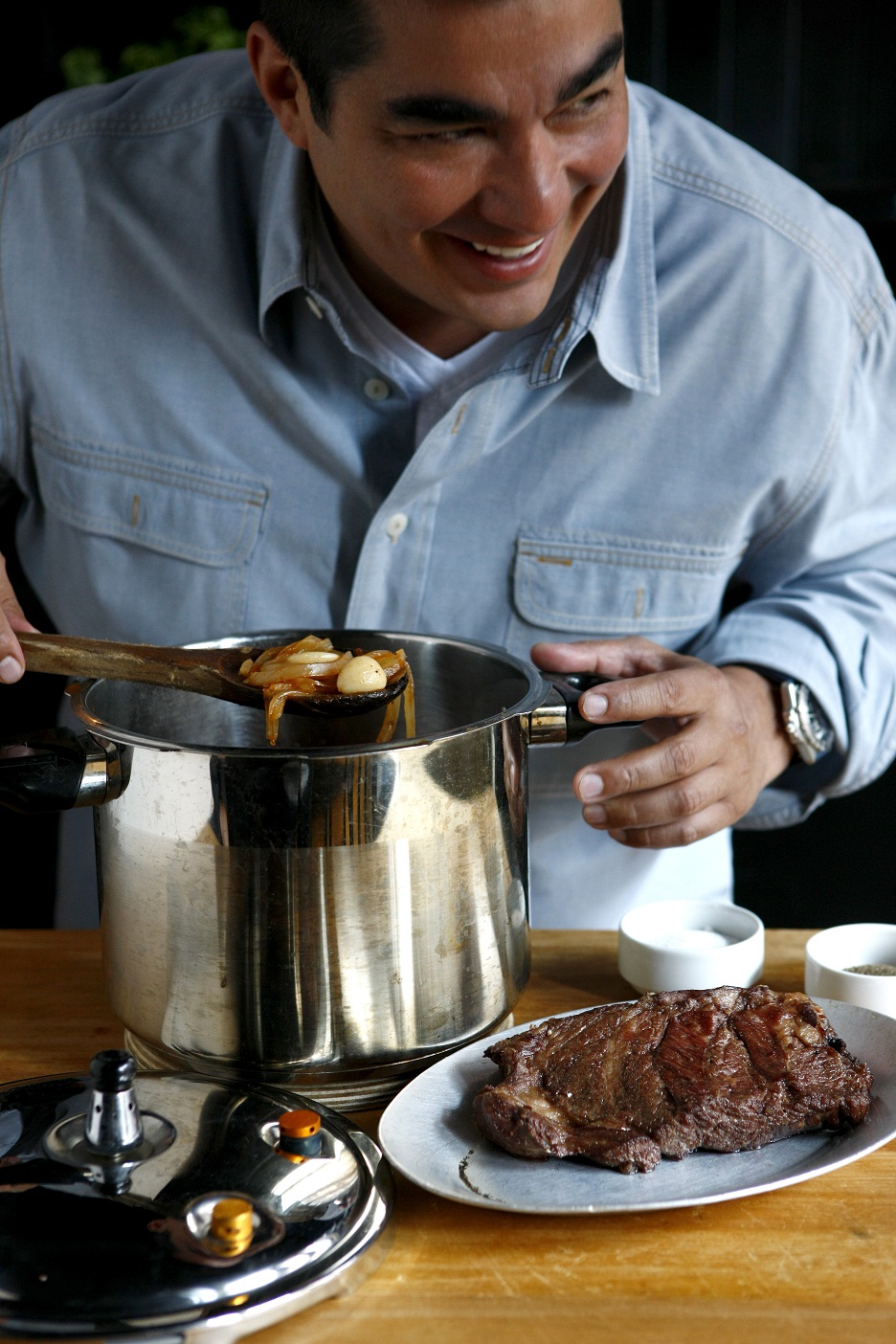

 Where do you see yourself, as far as culinary philosophy is concerned, between the polar opposites of the farm-to-table movement and the emerging trend of molecular gastronomy?
  “Yes, possibly one of the most important things a new restaurateur should do is to have a good lawyer, with a good business sense as his or her advocate throughout the process. There are legal issues throughout the process from negotiating the lease to securing the liquor license that a good lawyer will handle effortlessly.”
 By Hayes Hunt and Calli Varner
 months. See N.Y. Penal Law § 70.15(2).
  Civil Liability
 You want to introduce an active webpage into evidence. Now what?
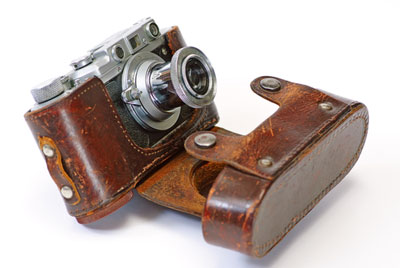 relax) standards for authenticating emergent technology. Take photography, for example. Today, it is easy to admit a photograph into evidence – “is this photo a fair and accurate depiction…?” In 1968, the 6th Circuit weighed in on the authentication of photos:
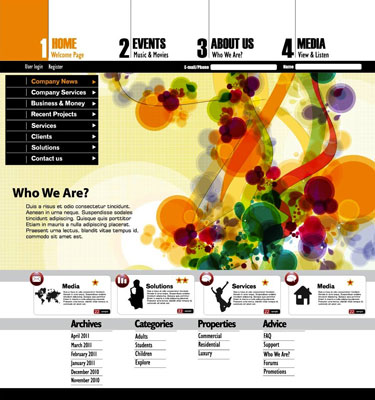 Following the suggestion of Lorraine, when seeking to present an active website as evidence, it is important to lay a factual foundation that establishes that what is being displayed, presumably on a monitor or projection screen, is an accurate reflection of the content currently on the subject website, and that such content is what it purports to be – e.g., that a web page displaying Company X’s safety policy is, in fact, internet publication by Company X. The easiest way to do this is likely through a witness with personal knowledge both of the website and the publisher of that website. It is even more simplified if there is no objection to your trial exhibit list. You may want to use the website for impeachment purposes and avoid admissibility but be prepared for objections from your adversary.